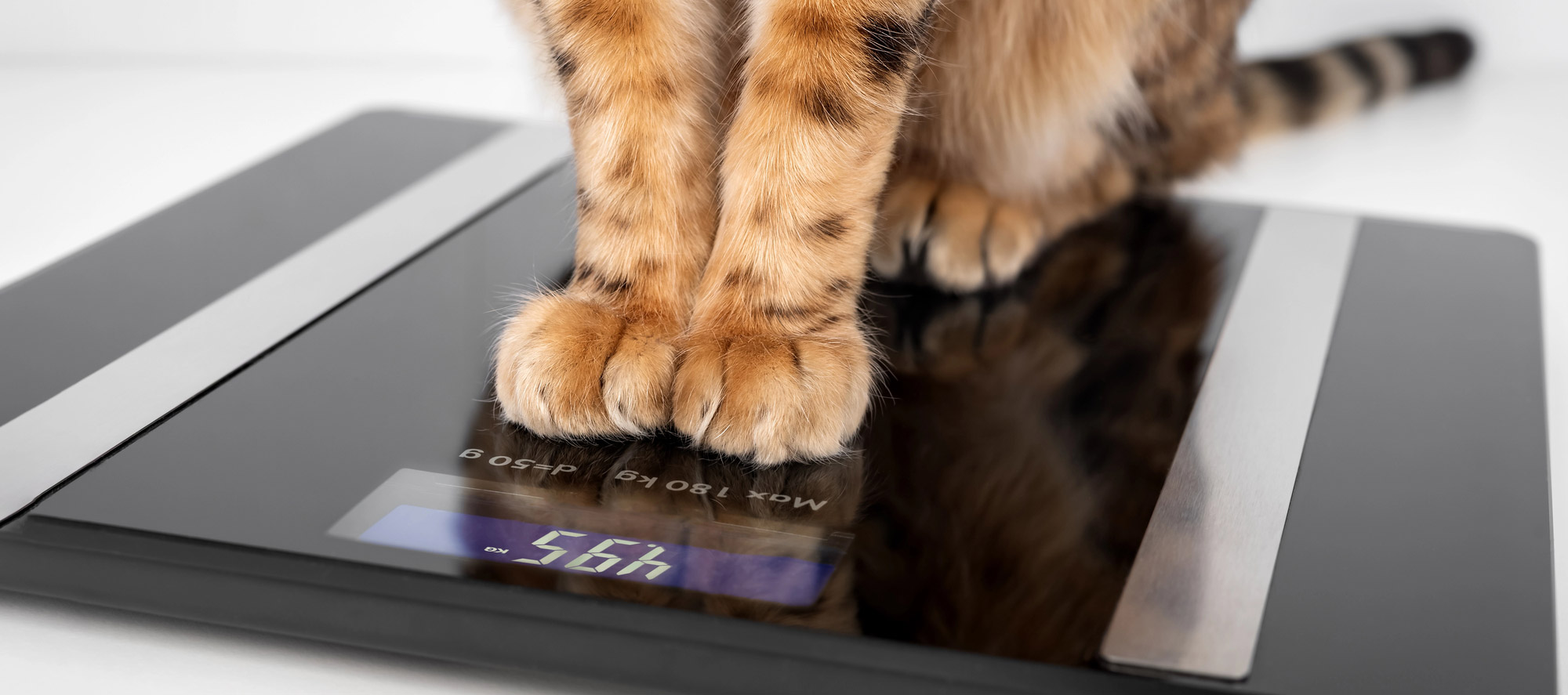
When your cat is diagnosed with diabetes, you want to do everything possible to help them feel better and enjoy a good quality of life. Your veterinarian may recommend a prescription diet, but have you ever stopped to look at what’s actually in the bag or can?
At Tail Blazers, we believe pet parents deserve to know exactly what they’re feeding their cats. A food can be formulated to address a medical condition and still contain ingredients that we would not choose for our own cats. A prescription label does not automatically make a food species-appropriate or mean it is the best nutritional choice for every cat.
Let’s look at what is in one popular veterinary diabetic cat food, why feline nutrition matters, and what alternatives you can explore with your veterinarian.
What’s Really in Prescription Diabetic Cat Food?
Hill’s Prescription Diet m/d GlucoSupport is marketed to help manage glucose and weight in diabetic cats. According to the manufacturer’s ingredient list in June 2026, the dry formula contains the following ingredients.
Chicken by-product meal, corn protein meal, chicken, chicken fat, wheat gluten, potato protein, powdered cellulose, spray-dried pork stock, corn starch, sweet potatoes, chicken liver flavor, flaxseed, lactic acid, L-lysine, potassium chloride, fructooligosaccharides (FOS), choline chloride, iodized salt, L-arginine, fish oil, vitamins, taurine, minerals, L-carnitine, calcium carbonate, mixed tocopherols for freshness, natural flavors and beta-carotene.
Read that list again. Chicken by-product meal appears first, followed by corn protein meal. Chicken itself is third. In addition, wheat gluten and potato protein are prominent ingredients. The food is made up of non-species-appropriate, poorly digested, low-quality/cost filler-type ingredients.
Why does that matter to us at Tail Blazers?
- Animal by-products deserve scrutiny
Chicken by-product meal is a rendered animal ingredient that can include parts, according to AAFCO, such as feet, undeveloped eggs and intestines. Composition and quality can vary drastically. We prefer foods that clearly identify their animal ingredients and meet our standards for ingredient quality.
- Plant proteins are prominent in the formula
Corn protein meal, wheat gluten and potato protein appear high on the ingredient list. These ingredients supply concentrated plant protein, but cats are obligate carnivores with nutritional requirements that make meat ingredients particularly important and health-promoting.
At Tail Blazers, we prioritize foods built around quality meat/fish ingredients rather than relying heavily on concentrated plant proteins to supply the protein total.
- Corn starch and powdered cellulose raise flags
Corn starch supplies carbohydrates, while powdered cellulose is a purified plant fibre used in pet foods. Both of these ingredients are non-species appropriate, with the corn starch adding carbohydrates that contribute to blood sugar issues.
For a cat with diabetes, carbohydrate intake deserves particular attention. Cats have a limited dietary requirement for carbohydrates, and most diabetic cats benefit from a carefully managed, lower-carbohydrate diet.
Our concern is the overall formulation: a food marketed for diabetic cats that combines by-product ingredients with high quantities of plant-derived protein and starch is not the type of ingredient panel we look for in a health-promoting food.
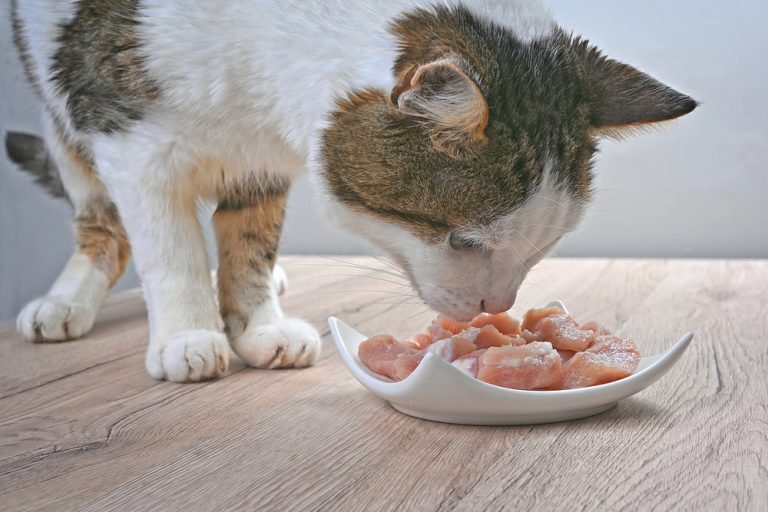
Why Carbohydrates Matter for Diabetic Cats
Diabetes mellitus occurs when the body cannot produce enough insulin or cannot use insulin effectively. Insulin helps glucose move from the bloodstream into cells, where it can be used for energy.
When insulin is insufficient or ineffective, glucose accumulates in the blood. Cats may:
Drink more water
Urinate more frequently
Lose weight despite having a good appetite
Become lethargic
Nutrition is an important part of managing this condition.
Cats are obligate carnivores. They obtain much of their energy and essential nutrients from animal tissues, and they do not have a dietary requirement for carbohydrates in the same way they require essential amino acids and fatty acids.
For many diabetic cats, a diet that is high in animal protein and low in carbohydrates can help improve blood glucose management and wet food provides substantially more moisture than kibble.
However, every cat is different. The right diet depends on factors such as body condition, other medical conditions, current insulin treatment and the cat’s response to dietary changes.
What Does a More Species-Appropriate Diet Look Like?
At Tail Blazers, we encourage pet parents to look beyond marketing claims and consider the food itself.
When evaluating food for a diabetic cat, we prioritize:
High-quality animal protein
Cats need specific nutrients found in animal tissues, including taurine and essential amino acids. We choose foods with clearly identified meat ingredients and a nutritional profile suited to feline needs. Your cat’s digestive system is designed for foods high in real, quality meats.
Appropriate carbohydrate levels
Typically, diabetic cats benefit from a low-carbohydrate diet. However, carbohydrate content is not usually listed on the guaranteed analysis on foods, so it may be necessary to obtain the manufacturer’s nutritional data or calculate it. Sound confusing? Stop by Tail Blazers and we are happy to help you compare foods or calculate estimated carbohydrates.
Adequate moisture
Canned food and appropriately prepared rehydrated foods can help increase water intake. This is particularly relevant for cats that otherwise eat exclusively dry food, providing much needed moisture which is closest to what they would eat in nature.
Balanced nutrition
A meat-based diet is not automatically nutritionally complete. Cats need the correct balance of vitamins, minerals, calcium, phosphorus, taurine and other essential nutrients. If you choose raw or gently cooked food, make sure it is formulated to meet the nutritional requirements of cats and is appropriate for your individual pet.
Tail Blazers’ Approach to Feline Nutrition
At Tail Blazers, we look for quality foods, with meat as the main ingredient(s). We avoid unnecessary usage of inexpensive or non-nutritive fillers, and provide appropriate nutrition for the species being fed.
Depending on your cat’s individual needs, healthful options could include:
- Raw, frozen cat food: Mimics closest to what cats would naturally eat in the wild. It’s minimally processed which helps preserve nutrients, high in moisture for kidney & digestive health and easy to digest and assimilate. Examples include Healthy Paws and Red Dog Blue Kat.
- Air-dried or freeze-dried cat food: Second to a raw, frozen diet, these foods are convenient alternatives to conventional kibble, but with less processing, less carbohydrates and less nutrient loss. Examples include ZiwiPeak and Feline Naturals.
- High-meat canned cat food: Often a practical way to increase moisture intake while exploring lower-carbohydrate options. Examples include Rawz and Tiki Cat.
We carry a variety of natural pet food brands, and our team can help you compare ingredient lists and ask the right questions about nutritional analysis. Not every product is suitable for every diabetic cat, so choosing the right food requires an individual assessment.
Can Diet Replace Insulin?
This is an important question, and the answer is that dietary changes can sometimes make a significant difference.
Some cats with diabetes achieve remission, meaning they no longer require insulin for a period of time. Remission is more likely in certain circumstances, including when appropriate treatment and dietary management begin early. It is not guaranteed, and diabetes can return.
Never stop insulin, reduce a dose or change a schedule without veterinary guidance. A lower-carbohydrate diet can change a cat’s insulin requirements, sometimes quickly, so blood glucose monitoring and practitioner supervision are essential during dietary transitions.
The Bottom Line: Read Beyond the Prescription Label
A veterinary prescription diet may be designed for a specific therapeutic purpose, but that does not mean pet parents should stop asking questions about its ingredients.
At Tail Blazers, we believe cats deserve nutrition that respects their biology. That means looking carefully at the animal protein sources, carbohydrate content, moisture levels and overall nutritional completeness of the food—not simply assuming that a prescription label makes a formula the best choice.
Visit Tail Blazers to learn more about healthy cat food options and talk with our team about making informed choices for your cat.
Important: This article is for educational purposes only and is not a substitute for veterinary advice. Do not discontinue insulin without speaking to your pet’s health care team.
Ingredient lists can change. Check the current packaging for the most up-to-date information.